




Mosquitoes are part of the biodiversity of the vegetable garden and the balcony. But they can be a nuisance, especially in summer when you want to enjoy cool evenings outside. Fortunately, sowing the right plants is enough to naturally regulate these insects — even the dreaded tiger mosquito, now well established in several Swiss cantons. Discover in this article how to choose your mosquito-repelling plants to keep them away without harming them.
Mosquitoes — unsuspected allies in the vegetable garden?
Common mosquitoes and tiger mosquitoes
Switzerland is home to around 35 native mosquito species and now three invasive exotic species. Among the common species is the common mosquito (Culex pipiens), whose female bites mainly at dusk and at night. It breeds in stagnant water such as gutters or saucers under plant pots. The invasive species include the tiger mosquito, established since 2022. It is recognisable by its white stripes on a black background and the white line on its thorax. It bites during the day, aggressively and repeatedly. If you spot this type of mosquito in your garden, you can report it at moustiques-suisse.ch. Also remember to regularly consult the recommendations of your canton and the Swiss Confederation on the subject.
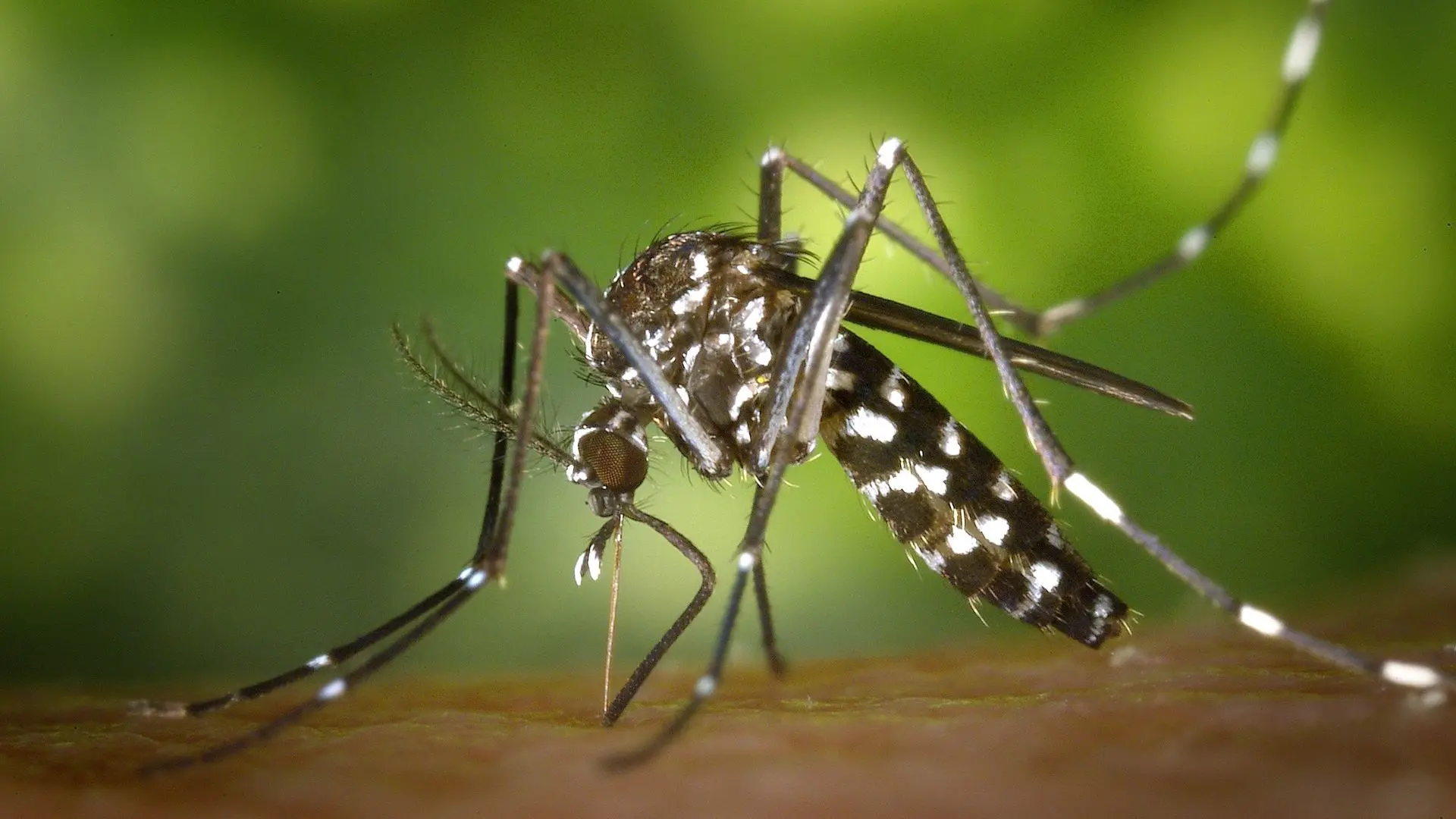
The tiger mosquito can be recognised by its white stripes.
The role of mosquitoes in the garden food chain
In permaculture and natural gardening, it is considered that every species has a role to play in the ecosystem. Adult male mosquitoes, which do not bite, feed on nectar and thus contribute, to some extent, to pollination! Furthermore, their larvae (which live in aquatic environments) are an essential food source for many beneficial garden creatures: bats, dragonflies, frogs and toads, birds…
Trying to eliminate mosquitoes would therefore weaken an entire food chain that contributes to the balance of your vegetable garden — and even your balcony. This is why it is all the more important to favour natural methods (aromatic plants and repellent flowers, recipes based on natural products, functional biodiversity…) so as not to disturb this fragile balance.
Which plants to choose to keep mosquitoes away?
1. Sow flowers to attract the predators of mosquitoes
Certain flowers attract and feed the natural predators of mosquitoes, such as dragonflies, swallows and bats. Sow them before summer so they have time to develop well.
- Pot marigold (Calendula officinalis): A flagship flower of the organic vegetable garden, the marigold attracts hoverflies and other beneficial insects. It flowers from May to October and is easily sown directly into open ground until June.
- Lavender (Lavandula angustifolia): Its intense fragrance is perceived as repellent by mosquitoes. It is also perfectly suited to balconies and terraces, and to dry, sunny climates.
- Flowers for bats: Bats are underrated allies against mosquitoes. A single bat can consume up to 3,000 insects in a single night! That is why we have developed a mix of flowers and aromatic herbs that naturally attract them to your garden, made up of fennel, agastache, oregano, evening primrose…
- Flowers for birds: Birds, particularly swallows and tits, are fond of mosquitoes — including tiger mosquitoes. As well as installing nest boxes, think about sowing flowers to feed them. You will find their favourite flowers in our Bird Flower Seed Mix, made up of poppies, sunflowers, nasturtiums and many others.
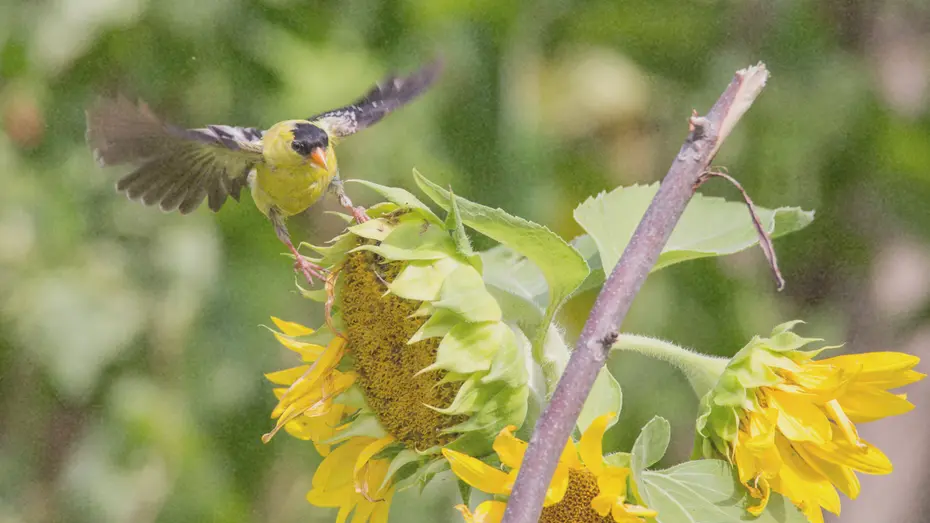
Organic flower seed mixes attract mosquito predators.
2. Mosquito-repelling aromatic herbs for the balcony and garden
The aromatic plants act effectively against mosquitoes thanks to the essential oils contained in their leaves. These volatile compounds (citronellal, nepetalactone, geraniol…) disrupt the olfactory receptors of mosquitoes. For even greater effectiveness, vary the species you plant or sow.
This basil variety releases a powerful lemony scent that disrupts the olfactory receptors of mosquitoes. It has the great advantage of being just as useful in the kitchen. Place it in a pot on the terrace or window ledge.
This robust and very easy-to-grow perennial gives off a powerful lemony fragrance that repels mosquitoes — simply rub a few leaves on exposed skin areas for an effective result. It is ideal for beginner gardeners. Grow it preferably in a pot to prevent it from spreading throughout the garden, or in a dedicated bed.
Spearmint, Moroccan mint, peppermint… All varieties are effective at repelling mosquitoes! Prefer pot cultivation, as it tends to be a little invasive. Its leaves, like plantainleaves, are also said to be soothing in the event of mosquito bites.
Less well known than the others, wormwood is said to be very useful for repelling mosquitoes. It is best grown in open ground, in rich, well-drained soil. Dried branches can be hung indoors to keep mosquitoes away.
3. Mosquito-repelling plant associations: creating a synergy
Combining several repellent plants multiplies the effectiveness of the olfactory barrier. Here are three combinations you can adopt according to your situation or garden type:
Situation | Recommended plant combination |
Terrace or balcony (pot) | |
Vegetable garden (bed) | |
High-altitude garden | Lemon balm + Lavender + Mint, Moroccan Tea |
Keep mosquitoes away with a garden plant spray
This spray is made from plants you may already be growing, or that you can sow in your garden or in pots on the balcony. It is intended for use on clothing or to be sprayed in the room or surroundings — not directly on skin (always seek medical advice in case of doubt, pregnancy or allergies). If the smell of vinegar bothers you when spraying, rest assured: it disappears completely once dry.
Recipe for a plant-based mosquito spray
Ingredients:
- 10 to 15 sprigs of fresh lemon balm and mint
- 5 sprigs of rosemary
- 250 ml of boiled water (cooled)
- 100 ml of apple cider vinegar
- A clean spray bottle (250 ml)
Method:
- Roughly chop the plants with a knife.
- Bring water to the boil then, off the heat, leave the plants to infuse for 20 minutes, covered.
- Leave to cool completely, then strain through a fine sieve, pressing with a wooden spoon.
- Add the apple cider vinegar and pour into the spray bottle.
- Shake before each use and spray in the surrounding area.
- Store in the fridge for 1 to 2 weeks.
You now know how to keep mosquitoes away from your garden or balcony. For even more tips, read our complete article on creating a garden that is welcoming to beneficial insects and wildlife.
Frequently asked questions about mosquito-repelling plants
Catnip (Nepeta cataria) is considered the most powerful, according to a scientific laboratory study carried out by Iowa State University. Lemon basil is also an excellent choice for its versatility.
On the terrace and window ledges, in pots, in areas where you spend time. Keep it within easy reach so you can crush a few leaves before an evening outdoors.
Partially. The tiger mosquito (Aedes albopictus) is attracted primarily by exhaled CO₂ and body heat — signals that plants cannot completely mask. Lemon eucalyptus (Corymbia citriodora), recognised by the WHO and ANSES, and catnip remain the most effective against this species. For more effective protection, combine repellent plants with the elimination of stagnant water and flowers that attract bats.
Some plants such as lemon balm or basil can be rubbed on the skin for a repellent effect. Always carry out a skin sensitivity test on a small area first and avoid sun exposure after application. Do not apply near eyes or mucous membranes, or on sensitive skin, young children or pregnant women without medical advice.
Mosquito-Repelling Plants: Which to Choose for Your Garden?