



Edible flowers offer a creative, colourful, and adventurous way to reconnect with plants. Nasturtium, borage, marigold, or mustard: they transform a simple salad, a dessert, or a homemade butter into a refined culinary experience. But not all flowers are safe to eat. In this article, discover which edible flowers to harvest from the garden, how to grow them yourself from organic seeds, and how to use them in the kitchen without risk.
The best edible flowers to grow yourself organically
Nasturtium, borage, marigold: the classics
Nasturtium, with its peppery, slightly spicy flavour, is a perfect match for salads, crème fraîche, and potato dishes.
Borage flowers, as well as being beautiful, work in a wide range of recipes. Their flavour is reminiscent of cucumber and pairs well with fish dishes, cream cheese, fruit, and summer drinks.
The petals of pot marigold, also known as calendula, with their mild flavour and orange colour, are ideal for colouring and flavouring butter or garnishing an omelette.
These three varieties share several advantages:
- easy to grow;
- generous flowering;
- long harvest period;
- they make excellent companions in the vegetable garden — they grow well alongside vegetables, attract pollinators, and distract certain pests.
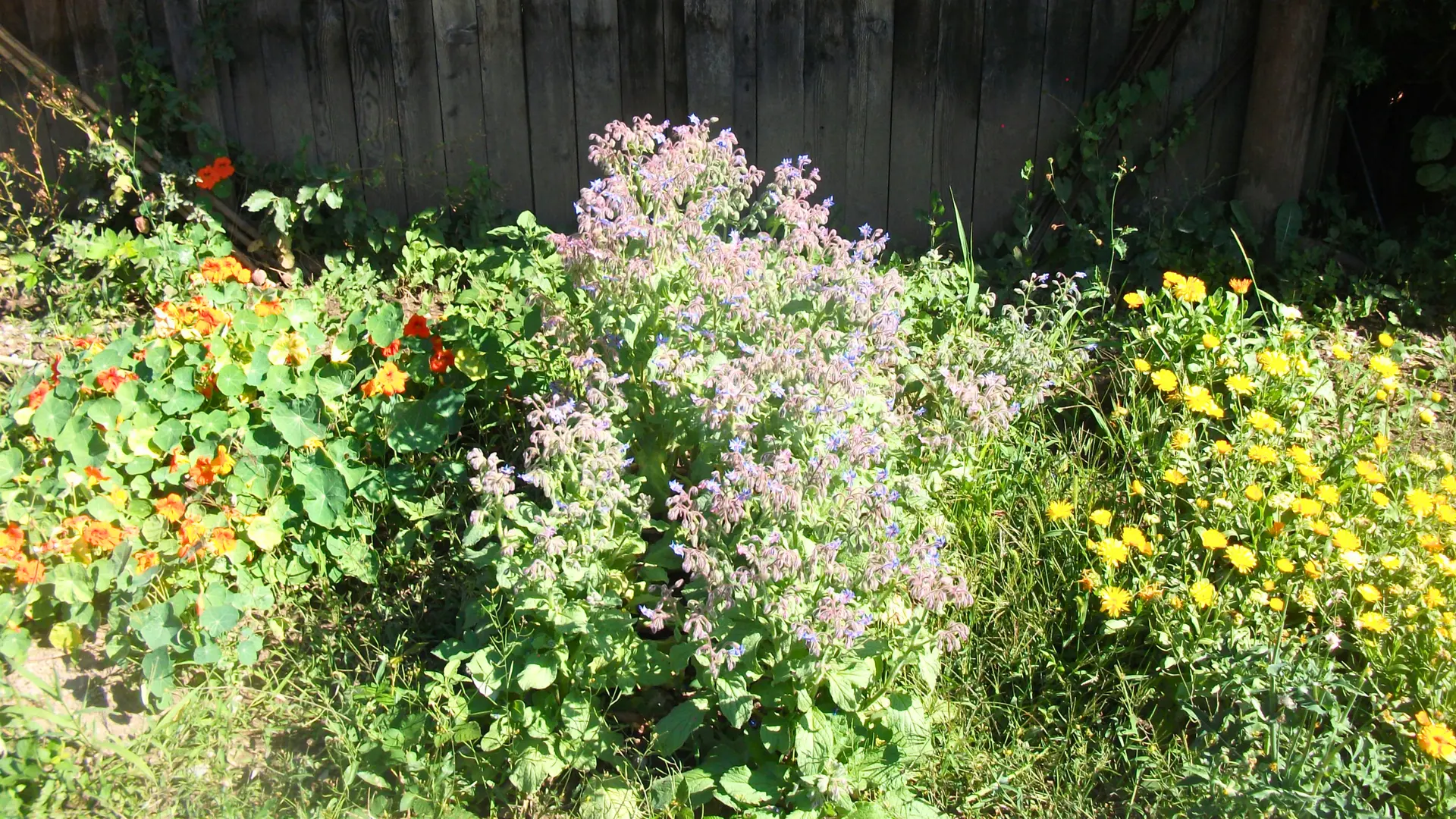
Edible flower garden with nasturtiums, borage, and marigold.
Coriander, mustard, and basil in flower: aromatic blooms
Some aromatic plants also produce delicious flowers.
Coriander flowers are edible and can add a beautiful finishing touch to dishes with Asian flavours or vegetable dips at aperitif time.
Mustard flowers can season sautéed vegetables. Their sharp notes stand in for pepper.
We are used to eating the leaves, but basil flowers are equally tasty. The flowers have a milder flavour and can both decorate and perfume tomato dishes, pasta, chicken, or summer vegetables.
Courgette flowers and other flowering vegetables
Some vegetables also offer edible flowers.
The best known is undoubtedly the courgette flower. A great classic of Mediterranean cuisine, prized for its delicate texture, the flowers are eaten stuffed, fried, or simply sautéed.
But other vegetable flowers from the garden can also be eaten: fennel flowers:
- fennel flowers : yellow and anise-flavoured, they pair well with fish or cucumber dishes.
- rocket flowers : with a flavour reminiscent of nuts and pepper, they can season salads and vinaigrettes.
These edible vegetable flowers allow you to make full use of everything the garden produces.
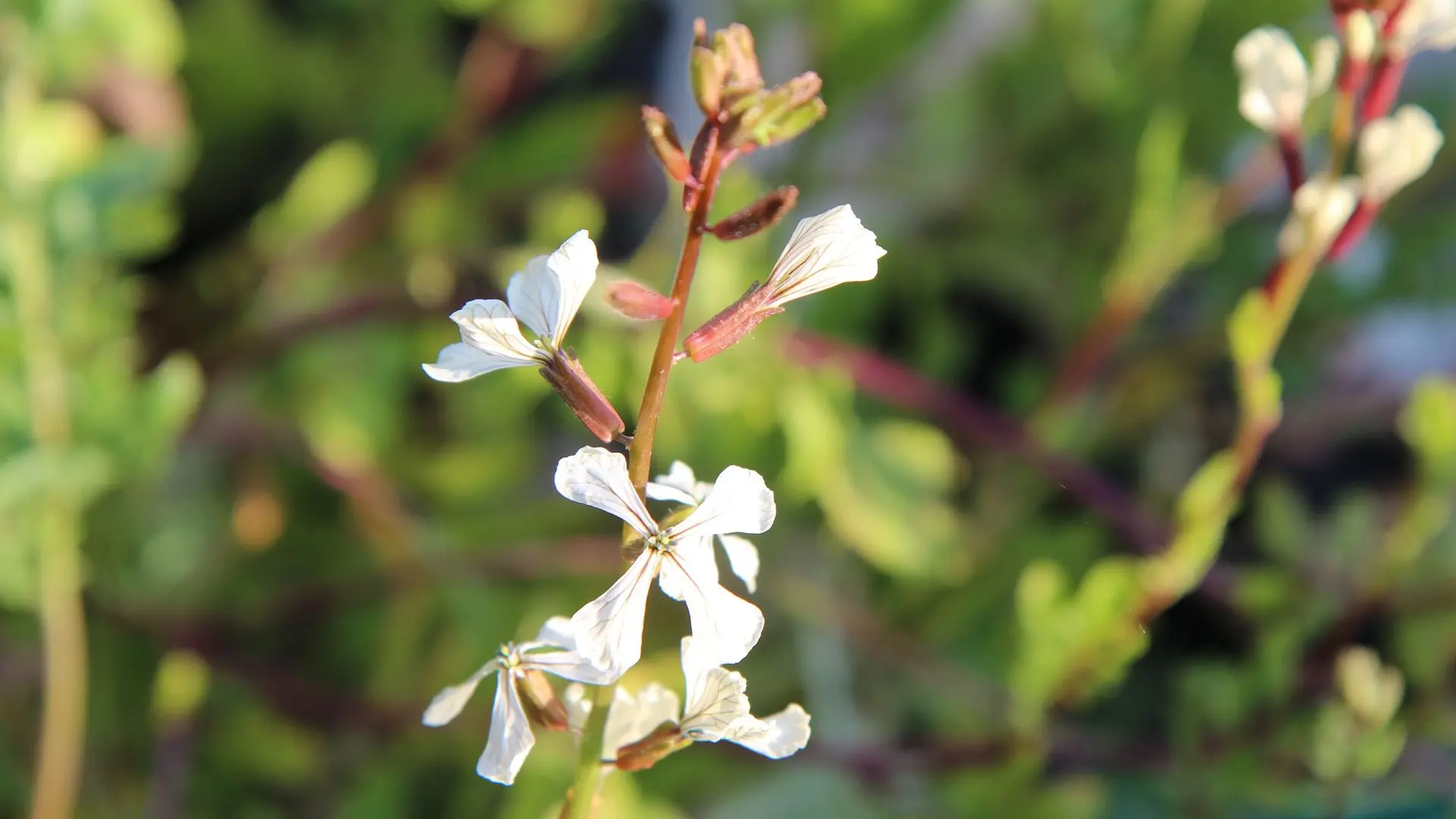
Rocket flowers.
Flowers you already eat without knowing it
Many of us eat flowers without even being aware of it.
Artichoke, capers, broccoli: flower buds in your kitchen
The part of the artichoke we cook and eat is in fact a flower bud. The flowers, also called capitula, are harvested immature for consumption.
A similar principle applies to capers. These are the flower buds of the caper bush, which are pickled and commonly used as a condiment.
Broccoli is an inflorescence — in other words, a "bouquet" of hundreds of still-closed flower buds. If not harvested at this stage, the buds gradually open into small yellow flowers.
Get inspired
Le Nouvelliste visited us in Les Evouettes to talk about edible flowers, gardening, and cooking. Find more ideas and advice in their feature. (Read the article)
And if you prefer to listen: the Côté Jardin programme on RTS welcomed Aurélie, our varietal selection expert, for a segment on edible, bee-friendly, and decorative flower seeds. (Listen)
Where to find edible flowers safely?
Buying edible flowers in shops or at the florist
Edible flowers sold in supermarkets are convenient, but often expensive and available in small quantities.
At the florist, flowers are primarily decorative: they may contain chemical treatments and are generally not intended for eating.
What commercial flowers really contain
The question of chemical treatments goes beyond a simple word of caution. In December 2024, the RTS programme Mise au Point had flowers sold in Switzerland analysed by a specialist laboratory: the results revealed exposure to more than twenty chemical substances. These include fungicides, insecticides, and stem preservatives used to extend the shelf life of cut flowers, which do not disappear with washing.
Picking wild edible flowers
Wild foraging can be an excellent option, provided you can identify species with certainty, as some toxic flowers closely resemble edible varieties. With wild flowers, caution remains essential.
Non-exhaustive list of toxic flowers
foxglove, lily of the valley, columbine, corn cockle, wallflower, rhododendron, narcissus, anemone, mountain arnica, etc.
If in doubt: never eat a flower that has not been positively identified.
Growing your own from organic seeds
The safest option therefore remains growing your own edible flowers from certified organic seeds. This way you control the variety and the growing conditions. Organic seeds such as those from Zollinger Bio guarantee flowers grown without any chemical inputs, from seed to plate.
From seed to plate: growing organic edible flowers step by step
Edible flowers can be grown both in the ground and in containers on a balcony, and remain accessible even if you have little gardening experience.
Growing edible flowers in pots or on a balcony
If you do not have much space, you can create a small edible flower garden in a container or pots:
- Use good-quality peat-free compost to ensure proper drainage.
- Choose flowers suited to container growing, for example: Nasturtium ‘Mini’, Hyssop ‘Blue nectar’, Mexican tarragon…
- Make sure to sow your seeds at the right time — refer to our sowing calendar.
- Water regularly during the growing period.
- The plant can quickly deplete the nutrients in the pot or container. To support flowering, fertilise the substrate regularly with biostimulants.
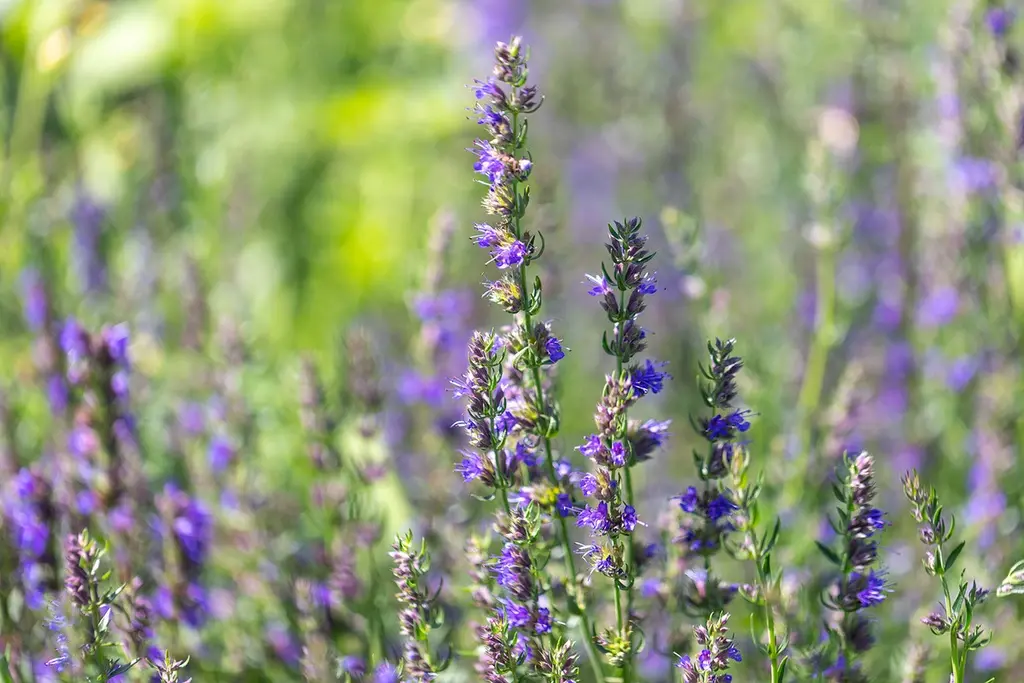
Hyssop, 'Blue nectar'.
Growing edible flowers in the ground in the garden or vegetable patch
If you have a garden or space in the vegetable patch, open ground gives edible flowers ideal conditions to develop and flower abundantly:
- Prepare the soil by working it to a depth of 20 to 30 cm and incorporating compost ororganic fertiliser before sowing. Well-drained, slightly loose soil is the key to good germination.
- Choose flowers suited to open-ground growing, for example: borage, sunflowers, edible chrysanthemums, cornflower… These varieties often self-seed spontaneously from year to year, making them a lasting investment.
- Make sure to sow your seeds at the right time, directly in place once the last frosts have passed — refer to our sowing calendar.
- Water well immediately after sowing. Once the plants are established, avoid waterlogging the soil — most edible flowers tolerate drought well and prefer slightly dry conditions.
- In open ground, nutrients are also depleted over the course of the season. To prolong and intensify flowering, apply biostimulants during the growing season.
How to use edible flowers in the kitchen: 3 simple ways to get started
There are countless ways to incorporate edible flowers into cooking.
Flower butter
Mix softened butter with chive and marigold petals and a pinch of fleur de sel. Set in a ramekin and keep chilled. This flower butter keeps for several days in the refrigerator and is delicious on crusty bread.
Crystallised flowers
Dip the flowers in beaten egg white, then immediately dust with caster sugar. Leave to dry briefly and you can decorate cakes and pastries with meadow flowers.
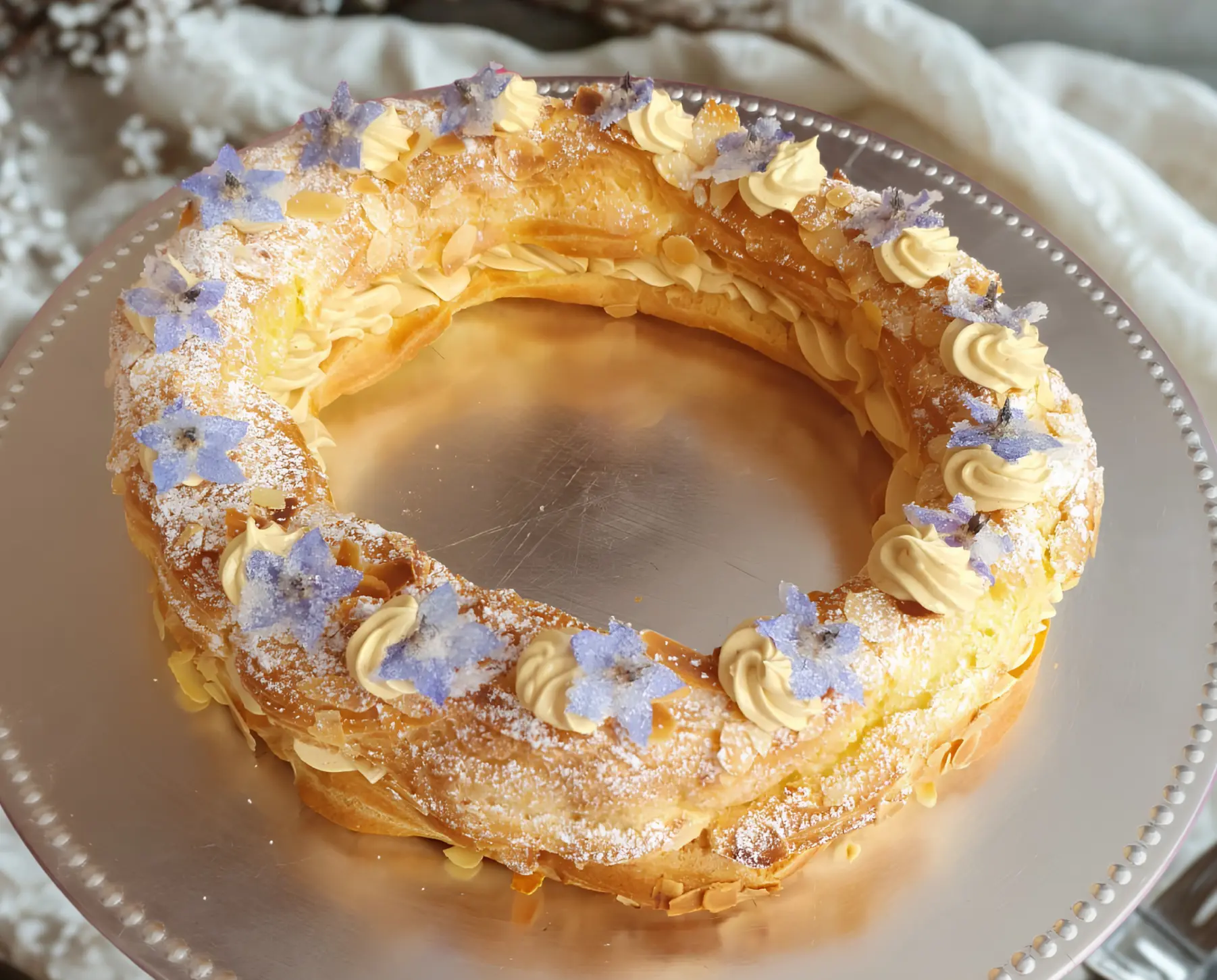
Saint-Honoré garnished with crystallised borage flowers.
Floral ice cubes
Simply place small flowers such as borage in an ice cube tray. These floral ice cubes add elegance to cocktails and refreshing drinks.
A bouquet on the plate
Edible flowers open up a fascinating culinary world where gardening, gastronomy, and biodiversity meet. But eating them requires care and vigilance — not all flowers are safe.
By growing your own varieties from certified organic seeds, you benefit from unique flavours, optimal quality, and complete peace of mind.
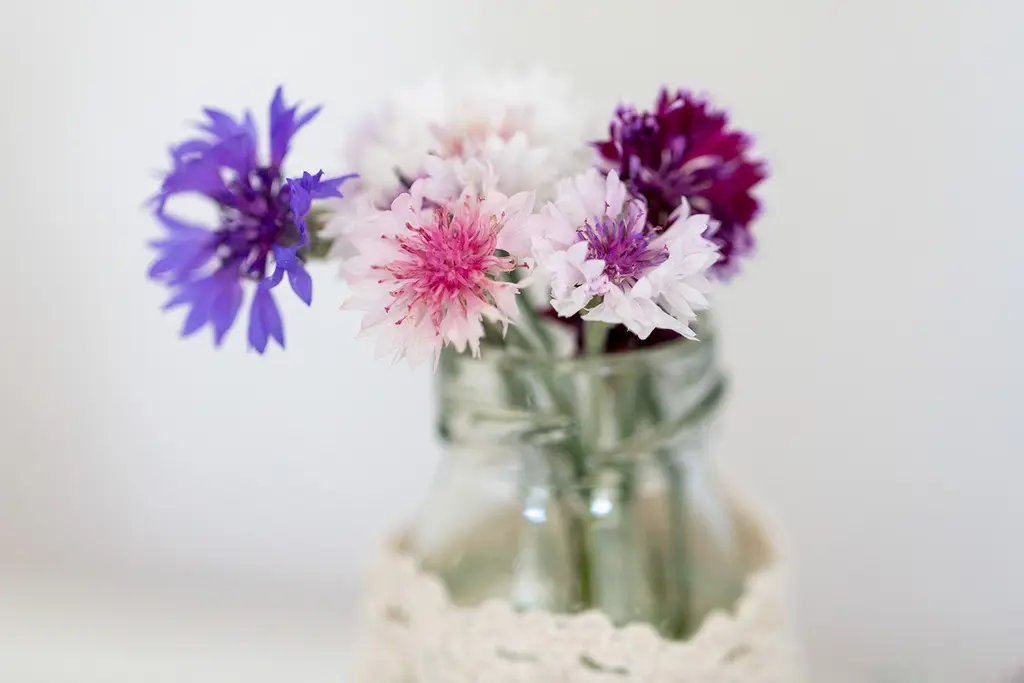
Discover the ‘Edible Flowers’ seed set
Frequently asked questions about edible flowers
No. Flowers sold at florists, supermarkets, or garden centres are treated with pesticides and preservatives that are not approved for human consumption. These treatments do not wash off.
Pick flowers in the morning, after the dew has lifted but before the heat of the day.
Gently submerge them in a large bowl of cold water and leave to soak for 2 to 3 minutes. Drain on a clean cloth without rubbing and leave to air dry. Remove the pistil and stamens from flowers intended for raw use, as they can be bitter.
Extra caution is needed during pregnancy: some flowers that are normally safe to eat are not recommended due to their alkaloid content.
In all cases, consult your doctor or midwife before adding flowers to your diet during pregnancy. If in doubt, avoid them.
All roses are theoretically edible, but not all are safe to eat. Organically grown, untreated roses produce fragrant petals that work beautifully in cooking, syrups, and salads.
Roses from florists or garden centres are routinely treated with pesticides not approved for food use. Never eat them, even after washing.
For truly edible rose petals, the only reliable option is to grow them yourself from certified organic seeds, with no chemical treatment of any kind.
Sources
Geers, A. et Degorce, O. Je cuisine les fleurs. Terre vivante. https://www.terrevivante.org/boutique/livres/cuisine-saine/manger-bio/je-cuisine-les-fleurs/?srsltid=AfmBOorXfckvUaO3Gi6yg_WhP-upzFJ_-eLOkG2MmuBdTeUvKoGjSd-4
McVicar, J. Le grand livre des fleurs comestibles. https://saint-jeanediteur.com/titre/le-grand-livre-des-fleurs-comestibles/
RTS — Mise au Point (1er décembre 2024). Les fleuristes exposés à de nombreux pesticides, dont certains interdits en Suisse. https://www.rts.ch/info/sante/2024/article/les-fleuristes-exposes-a-de-nombreux-pesticides-dont-certains-interdits-en-suisse-28711596.html
Organic edible flowers: growing and cooking with confidence