





The significant decline of native insects and wildlife due to agriculture and pesticides is affecting entire ecosystems. Many plants rely on insects for pollination, while also serving as an important food source for small wildlife. Natural gardens create valuable habitats and provide food for insects and wildlife.
Why is a wildlife-friendly garden so important?
Around 40% of insect species worldwide are at risk of extinction. The main causes are intensive agriculture and the use of chemical pesticides. Even in private gardens, exotic plants and limited green spaces contribute to the loss of habitats and food sources for insects and wildlife.
With the following tips, you can check whether your garden is wildlife- and insect-friendly. Often, small changes can make a real difference for nature and biodiversity.
Creating essential habitats
A natural garden starts with thoughtful design. Diverse planting and structured elements help create valuable habitats for insects, birds, and other wildlife.
1. Plant native wildflowers instead of exotic ornamentals
Native plants are adapted to the local climate and provide ideal food and living conditions for insects and wildlife. Many native insect species depend on specific plants and cannot use exotic species as a food source. Creating a wildflower meadow with herbs is highly recommended.
Native plants support stable food chains by providing nectar and food for pollinators, caterpillars, and birds, contributing to biodiversity and a healthy garden ecosystem.
2. Create a herb garden for people and wildlife
A herb and vegetable garden provides fresh ingredients for your kitchen while also offering valuable food for bees, butterflies, and other insects.
Flowering herbs such as thyme, sage, and oregano provide nectar and pollen for many weeks. Even small beds or pots on balconies can contribute to biodiversity.
3. Green your walls
Green walls create additional habitats for insects, birds, and small animals. Climbing plants such as ivy or wild vine provide food, shelter, and nesting opportunities. They also help regulate temperature and protect building facades from heat.
4. Design a wildlife-friendly balcony
Even a balcony can become a valuable habitat. Choose native nectar-rich plants plants for bees and butterflies. Different flowering periods ensure food availability from spring to autumn. Avoid chemical pesticides entirely.
Provide shelter and safe spaces
In addition to food, wildlife needs safe places to nest, rest, and overwinter.
5. Install nesting aids and shelters
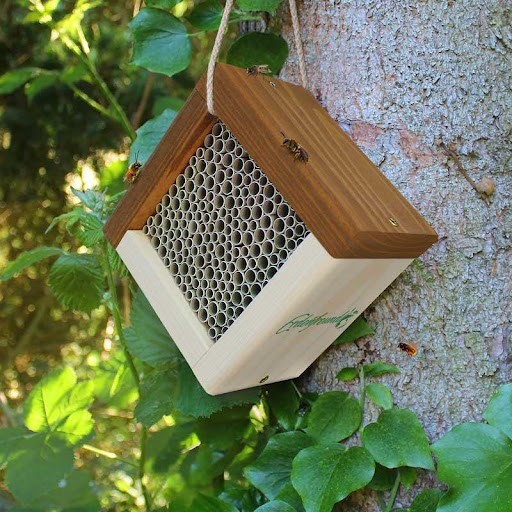 ©Erdenfreund. A shelter designed to meet insects' needs, such as this shelter for wild bees, provides a valuable habitat for insects.
Nest boxes and insect hotels provide essential habitats for birds insects, and small mammals. Use natural materials and place them in sheltered locations. Leaf piles, dead wood, and dense hedges also offer important hiding and overwintering spots.
6. Provide safe water sources
Provide shallow, safe water sources so that birds, insects, and other wildlife can drink and bathe there. Make sure there are shallow banks or rocks where they can get out of the water, so that no animals drown.
Change the water regularly and clean the containers to prevent disease. This way, you’re providing a vital resource, especially during hot, dry periods.
7. Leave passages open for small animals
Be sure not to completely enclose your garden, but to leave small openings in fences or under hedges. Many wild animals need to move from one garden to another to find food, a mate, or shelter. Barriers can block their natural paths and fragment their habitats.
8. Secure rain barrels
Be sure to always cover your water containers with a sturdy lid or a fine-mesh screen to prevent animals from falling in. Additional exit aids, such as small wooden slats, can save lives in an emergency. This will help you avoid potential hazards and make your garden safer for birds, small mammals, and insects.
Adopt eco-friendly garden care
An animal-friendly garden is not just about its design; it also depends on careful maintenance. By using environmentally friendly methods and making thoughtful choices in your daily routine, you can protect animals and strengthen the ecological balance in the long term.
9. Be mindful during gardening
Be careful when gardening, and carefully inspect hedges and shrubs before trimming them to check for any animal nests or shelters. Many birds nest in the shelter of dense thickets and rely on preserved habitats. Under Swiss law, hedge trimming is prohibited from March 1 to September 30 in many cases to protect nesting sites.
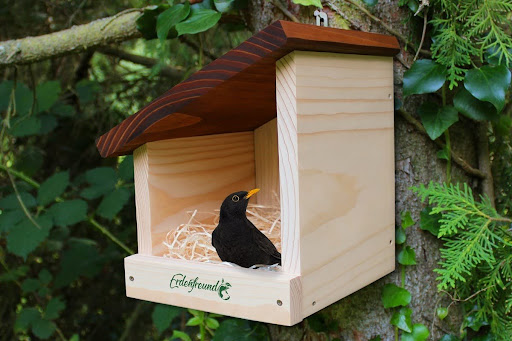
©Erdenfreund. Birds don't just nest in birdhouses, but also in hedges; therefore, it's important to be careful when doing yard work.
10. Avoid chemical pesticides
Herbicides and insecticides used to control weeds and pests are particularly common in gardens. However, there are environmentally friendly and often less expensive alternatives that do not harm animals or plants any more than conventional products.
To control pests, rely instead on natural predators such as ladybugs or parasitic wasps, and encourage the presence of beneficial insects by creating diverse habitats. Proven home remedies, such as plant-based liquid fertilizers, can also help gently control weeds and harmful insects.
11. Maintain garden furniture sustainably
Choose natural, non-toxic materials for your garden and decorations. Avoid treated wood and plastics that contain harmful substances.
12. Prefer natural plant care
Compost, plant combinations, and native species help maintain a natural balance in the garden without the use of chemicals.
13. Reduce light pollution
Limit outdoor lighting and use warm, shielded lights. Artificial light disrupts insects and nocturnal animals.
A garden for people and nature
Creating a wildlife-friendly garden does not require major effort. Small actions—such as planting native flowers, adding shelters, or avoiding pesticides—can make a significant difference.
A natural garden benefits biodiversity while also creating a richer and more enjoyable outdoor space.
Sources and additional information
- WWF : insect decline
- NABU : insect-friendly garden
- NABU : species diversity in the garden
- BUND : pesticide-free garden
- PETA : animal-friendly garden
Checklist for a wildlife- and insect-friendly garden