





Mentre le coltivazioni estive si preparano a congedarsi, nell'orto come nella fattoria, sappiamo che c'è ancora molto da seminare e piantare! Tra le ultime semine, le piantagioni di fine stagione e le cure del terreno, ogni gesto conta per garantire l'abbondanza della prossima primavera. Vediamo quali sorprese il giardino ha ancora da offrirci, con le piantagioni, le semine e i lavori da non perdere nel mese di ottobre.
Cosa seminare e piantare nell'orto in ottobre?
Sotto copertura o in piena terra a seconda del vostro clima, alcune colture si installano ancora molto bene in ottobre! In particolare le verdure invernali (che vengono chiamate anche « colture di fine stagione »). Tra queste:
- Cipolla cinese: una pianta aromatica perenne dal sapore di aglio dolce, ideale per gli orti così come per i balconi. Seminatela sotto copertura o in vasetti, e potrete godere delle sue foglie tenere fin dalla primavera.
- Insalate invernali: semina le tue ultime varietà sotto telai o tunnel per raccolti già da febbraio.
- Piselli mangiatutto invernali: il nostro grande favorito! Questa antica varietà resiste al freddo e offre un raccolto precoce in primavera. Non seminarli troppo presto: l'ideale è che passino l'inverno a 10–15 cm di altezza. In aggiunta: arricchiscono il terreno di azoto! Trova tutti i nostri consigli in video per avere successo nella propria coltivazione cliccando qui.
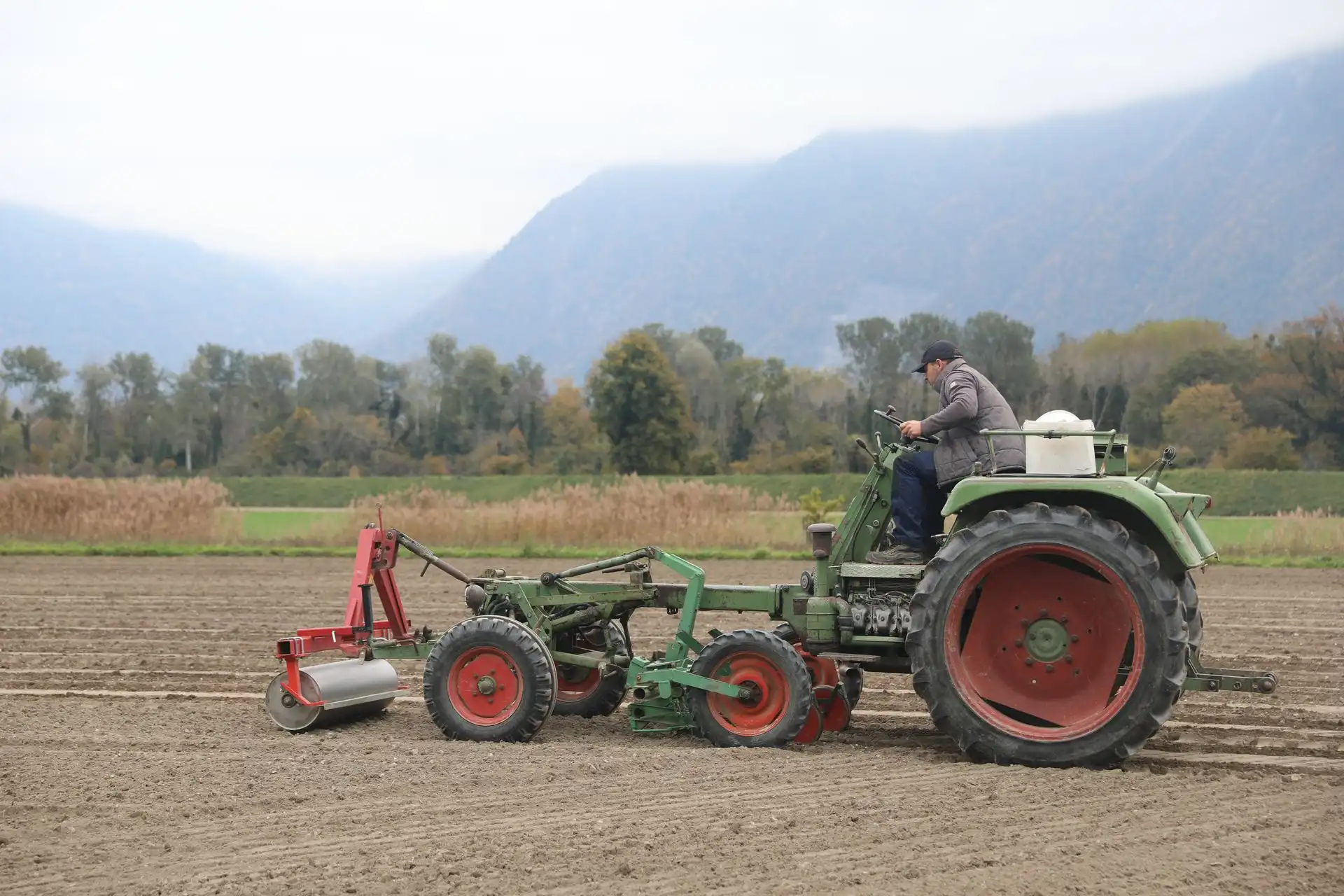
In ottobre, Kamil semina i piselli mangiatutto invernali in campo aperto
Per quanto riguarda la piantagione, è il momento ideale per l'aglio autunnale. I bulbilli apprezzano il sole, i terreni leggeri e ben drenati. Ma si prestano anche molto bene alla coltivazione in vaso, sul balcone.
Guarda tutti i semi biologici da seminare a ottobre
Cosa raccogliere in ottobre?
È tempo degli ultimi piaceri estivi e delle prime sorprese autunnali!
- Zucche e zucche ornamentali: raccoglieteli quando il peduncolo è secco e teneteli asciutti a temperatura ambiente.
- Pomodori: potate i nuovi fiori per concentrare l'energia sui frutti in fase di maturazione.
- Barbabietole, carote, porri, cavolo:approfittate dei raccolti prima delle prime gelate. In montagna, potete anche iniziare a coprirli con una rete se le notti sono già fresche.
- Aglio, cipolle e scalogni: le coltivazioni precoci possono già essere raccolte.
Guarda tutti i raccolti di ottobre
La manutenzione del giardino e la cura del terreno in ottobre
Ottobre è un mese chiave per il suolo, la base della vostra abbondanza futura. Ecco i tre gesti semplici da non perdere a casa vostra. Sono quelli che realizziamo sistematicamente in fattoria alla fine della stagione:
- Porta del compost o del letame nelle aree destinate alle verdure golose.
- Semina gli ultimi fertilizzanti verdi. Il mese di ottobre è infatti l'ultima opportunità per proteggere e nutrire il terreno prima dell'inverno! Semina senza tardare troppo di senape, faccelia, o miscele adatte alla stagione, come la miscela Pausa Invernale coprono il terreno, limitano le erbacce e strutturano il suolo dolcemente durante la stagione fredda.
- Proteggi il suolo con un mulch spesso, soprattutto in alta quota: foglie secche, paglia o trucioli andranno benissimo. Questo è ancora più importante se non prevedi di coltivare durante l'inverno!
E se hai dubbi su come pulire il tuo orto: lascia fare alla natura! Le radici delle piante appassite continuano ad aerare il terreno e a ospitare la vita sotterranea. Un vero aiuto ecologico per mantenere la vita del suolo nella stagione fredda.
Il giardino di fiori e ornamentali in ottobre: fiori, bulbi e biodiversità
In ottobre, la parola d'ordine nel giardino ornamentale è « anticipare » la primavera!
- Seminate i vostri fiori invernali (fiordaliso, papavero, borragine) che fioriranno nei bei giorni.
- Pianta i tuoi bulbi autunnali: tulipani, narcisi, crochi o giacinti troveranno il loro posto nel giardino o sul balcone. Piantali prima delle prime gelate per garantire un buon radicamento e una fioritura ancora più spettacolare all'inizio della primavera.
- Invernate i vostri bulbi estivi: sollevateli delicatamente una volta che il fogliame è appassito, spazzolateli e conservateli in un luogo secco e ventilato per ripiantarli l'anno prossimo.
- Consiglio biodiversità: seminando alcuni fiori di campo come il fiordaliso o la nigella dei grani, offrite riparo e cibo ai pollinatori per tutto l'inverno.
Consigli per i balconi e i giardini in alta quota
Anche senza grandi spazi o in montagna, ottobre offre molte opportunità!
- Su balcone: semina cipollotti, lattughe da tagliare e insalate miste in vasi ben drenati. Pianta alcuni spicchi d'aglio o bulbi di crochi, giacinti di Spagna e muscari per portare un tocco floreale in primavera.
- In montagna: privilegiate le semine rustiche (piselli invernali, veccia, segale) e proteggi le giovani piante con un buon pacciame, anzi con un vela prima delle gelate.
Domande frequenti sul giardinaggio in ottobre
Non sempre! Se non prevedi semine immediate, lascia le radici nel terreno: nutrono i micro-organismi e migliorano la struttura del suolo.
Utilizza un cesto a rete o opta per i narcisi e l'aglio ornamentale, naturalmente dissuasivi.
Non buttateli assolutamente! Sono una risorsa preziosa: utilizzateli come pacciame, nel compost, o per isolare le piante sensibili al freddo (in generose quantità). Potete triturare quelli più coriacei con un tosaerba, questo apporterà anche un po' di nutrienti ai vostri vasi.
E voi, cosa cresce ancora da voi in ottobre? Avete provato la cipolla cinese o il pisello mangiatutto invernale? Condividete i vostri successi, suggerimenti e domande nei commenti — questo potrebbe aiutare altri giardinieri della comunità Zollinger Bio!
As the summer crops get ready to end their season, both in the garden and on the farm, we know there’s still plenty to sow and plant! Between the last sowings, late-season plantings and soil care, every gesture counts to ensure next spring’s abundance. Let’s see what surprises the garden still has in store for us, with the sowings, plantings and tasks not to miss in October.
What to sow and plant in the vegetable garden in October?
Depending on the climate – in open ground or under cover – some crops still establish very well in October! Especially winter vegetables (also called “late-season crops”). Among them:
- Chinese chives: a perennial aromatic plant with a mild garlic flavor, ideal for gardens and balconies alike. Sow in pots or trays, and you’ll enjoy its tender leaves as early as spring.
- Winter lettuces: sow the last varieties under tunnels or cold frames for harvests starting in February.
- Winter snow peas: our big favorite! This old variety is cold-hardy and offers an early spring harvest. Don’t sow too early: the ideal is for them to overwinter at 10–15 cm tall. Bonus: they enrich the soil with nitrogen! Check out our full video guide here.

In October, Kamil sows winter snow peas in the open field
As for planting, this is the perfect time for autumn garlic. The cloves love sun and light, well-drained soil, but also grow perfectly in pots on balconies.
See all organic seeds to sow in October
What to harvest in October?
It’s the time of the last summer delights and the first autumn surprises!
- Pumpkins and squashes: harvest them when the stem is dry, and store them in a dry place at room temperature.
- Tomatoes: remove new flowers to focus energy on ripening fruits.
- Beets, carrots, leeks, cabbages: harvest before the first frosts. In the mountains, you can already cover them with a net if nights are cool.
- Garlic, onions and shallots: early crops can already be harvested.
Garden and soil care in October
October is a key month for the soil — the foundation of next year’s abundance. Here are three simple actions not to forget:
- Add compost or manure to areas planned for heavy feeders.
- Sow the last green manures such as mustard, phacelia, or seasonal mixes like Winter Pause. They protect and nourish the soil through winter.
- Protect the soil with a thick mulch: dry leaves, straw or wood chips work perfectly — especially in higher altitudes.
And if you hesitate to tidy up your garden: let nature do the work! The roots of faded plants keep aerating the soil and shelter underground life.
The ornamental garden in October: flowers, bulbs & biodiversity
- Sow winter flowers (cornflower, poppy, borage) that will bloom with the first warm days.
- Plant autumn bulbs: tulips, daffodils, crocuses or hyacinths. Do it before the first frosts to ensure strong roots and a stunning spring bloom.
- Store summer bulbs: dig them up gently, clean them, and keep them in a dry, ventilated place to replant next year.
- Biodiversity tip: sowing wildflowers like cornflower or nigella offers food and shelter to pollinators all winter long.
Tips for balconies and mountain gardens
- On balconies: sow chives, cut lettuces and mesclun in well-drained pots. Plant a few garlic cloves or bulbs of crocus and grape hyacinth for a splash of spring color.
- In the mountains: favor hardy crops (winter peas, vetch, rye) and protect seedlings with mulch or a protective cover before frosts.
Frequently Asked Questions about gardening in October
Should you pull out wilted plants in autumn?
Not always! If you’re not planning an immediate sowing, leave the roots in the ground — they feed microorganisms and improve soil structure.
How can I protect bulbs from rodents?
Use a wire basket or choose daffodils and ornamental garlic, which naturally repel them.
What to do with fallen leaves?
Don’t throw them away! They’re a valuable resource: use them as mulch, in compost, or to insulate frost-sensitive plants. Shredding tougher leaves with a mower adds nutrients to your pots too.
And you — what’s still growing in your garden this October? Have you tried Chinese chives or winter snow peas yet? Share your successes, tips, and questions in the comments — they might help other gardeners in the Zollinger Bio community!
As the summer crops get ready to end their season, both in the garden and on the farm, we know there’s still plenty to sow and plant! Between the last sowings, late-season plantings and soil care, every gesture counts to ensure next spring’s abundance. Let’s see what surprises the garden still has in store for us, with the sowings, plantings and tasks not to miss in October.
What to sow and plant in the vegetable garden in October?
Depending on the climate – in open ground or under cover – some crops still establish very well in October! Especially winter vegetables (also called “late-season crops”). Among them:
- Chinese chives: a perennial aromatic plant with a mild garlic flavor, ideal for gardens and balconies alike. Sow in pots or trays, and you’ll enjoy its tender leaves as early as spring.
- Winter lettuces: sow the last varieties under tunnels or cold frames for harvests starting in February.
- Winter snow peas: our big favorite! This old variety is cold-hardy and offers an early spring harvest. Don’t sow too early: the ideal is for them to overwinter at 10–15 cm tall. Bonus: they enrich the soil with nitrogen! Check out our full video guide here.
In October, Kamil sows winter snow peas in the open field
As for planting, this is the perfect time for autumn garlic. The cloves love sun and light, well-drained soil, but also grow perfectly in pots on balconies.
See all organic seeds to sow in October
What to harvest in October?
It’s the time of the last summer delights and the first autumn surprises!
- Pumpkins and squashes: harvest them when the stem is dry, and store them in a dry place at room temperature.
- Tomatoes: remove new flowers to focus energy on ripening fruits.
- Beets, carrots, leeks, cabbages: harvest before the first frosts. In the mountains, you can already cover them with a net if nights are cool.
- Garlic, onions and shallots: early crops can already be harvested.
Garden and soil care in October
October is a key month for the soil — the foundation of next year’s abundance. Here are three simple actions not to forget:
- Add compost or manure to areas planned for heavy feeders.
- Sow the last green manures such as mustard, phacelia, or seasonal mixes like Winter Pause. They protect and nourish the soil through winter.
- Protect the soil with a thick mulch: dry leaves, straw or wood chips work perfectly — especially in higher altitudes.
And if you hesitate to tidy up your garden: let nature do the work! The roots of faded plants keep aerating the soil and shelter underground life.
The ornamental garden in October: flowers, bulbs & biodiversity
- Sow winter flowers (cornflower, poppy, borage) that will bloom with the first warm days.
- Plant autumn bulbs: tulips, daffodils, crocuses or hyacinths. Do it before the first frosts to ensure strong roots and a stunning spring bloom.
- Store summer bulbs: dig them up gently, clean them, and keep them in a dry, ventilated place to replant next year.
- Biodiversity tip: sowing wildflowers like cornflower or nigella offers food and shelter to pollinators all winter long.
Tips for balconies and mountain gardens
- On balconies: sow chives, cut lettuces and mesclun in well-drained pots. Plant a few garlic cloves or bulbs of crocus and grape hyacinth for a splash of spring color.
- In the mountains: favor hardy crops (winter peas, vetch, rye) and protect seedlings with mulch or a protective cover before frosts.
Frequently Asked Questions about gardening in October
Should you pull out wilted plants in autumn?
Not always! If you’re not planning an immediate sowing, leave the roots in the ground — they feed microorganisms and improve soil structure.
How can I protect bulbs from rodents?
Use a wire basket or choose daffodils and ornamental garlic, which naturally repel them.
What to do with fallen leaves?
Don’t throw them away! They’re a valuable resource: use them as mulch, in compost, or to insulate frost-sensitive plants. Shredding tougher leaves with a mower adds nutrients to your pots too.
And you — what’s still growing in your garden this October? Have you tried Chinese chives or winter snow peas yet? Share your successes, tips, and questions in the comments — they might help other gardeners in the Zollinger Bio community!
Ottobre nell’orto biologico