





Blossom-end rot (or "necrosis") is a common physiological disorder that affects various garden fruits, particularly tomatoes, peppers and even eggplants. It manifests as a dark, sunken lesion at the apical end (opposite the stem) of the fruit. This condition can be frustrating, as it leads to the loss of promising crops. In this blog post, we will examine the causes of blossom end rot, explore effective treatment methods, and address the issue of consuming affected fruits.
What is Blossom-End Rot?
Blossom-end rot is a physiological disorder that occurs in fruits during their development. It is characterized by the appearance of dark, leathery patches at the blossom end of the fruit. Initially, the affected area appears water-soaked, but as it progresses, it turns brown or black. While it can occur at any stage of fruit development, it is most commonly observed during the early stages.
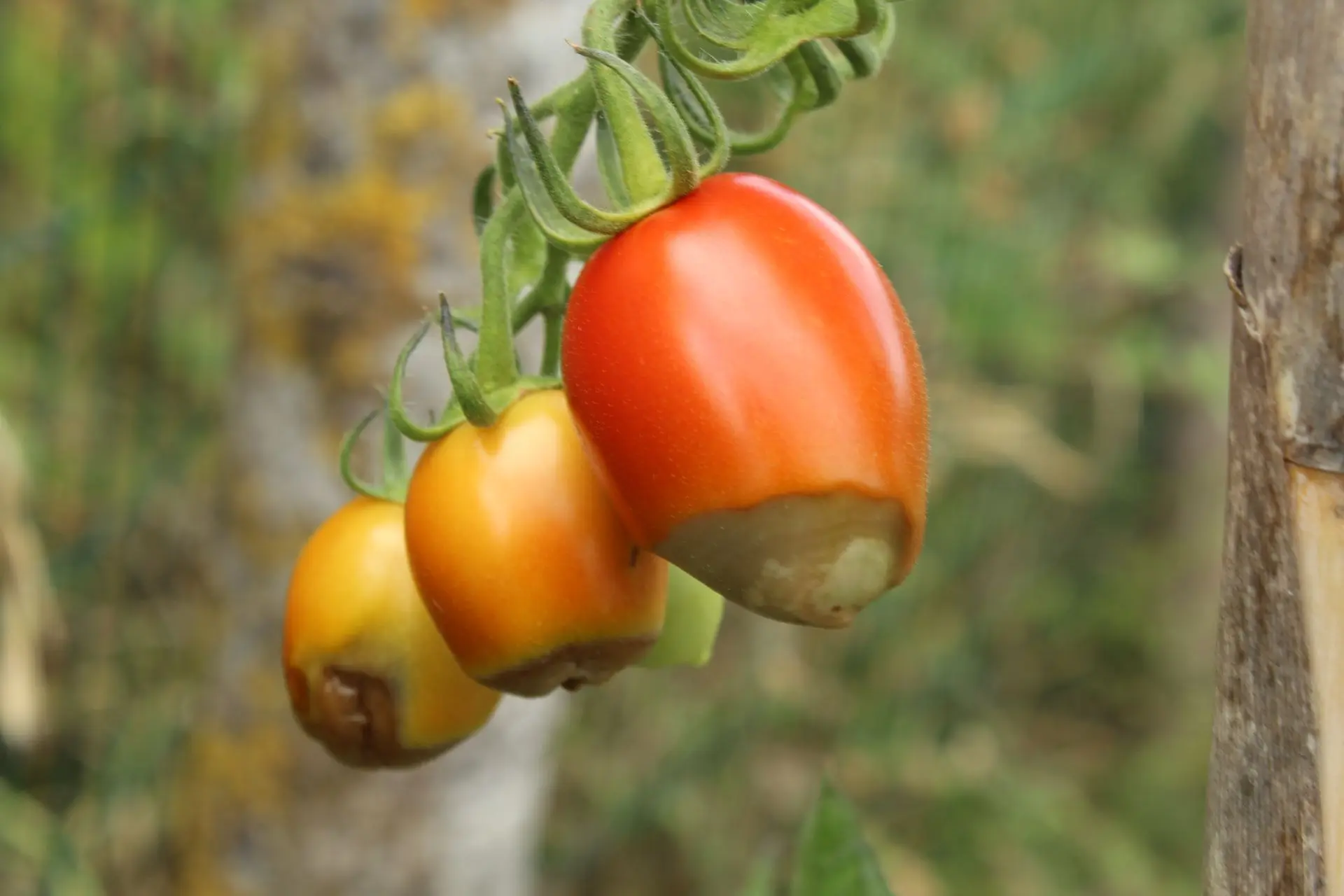
Blossom end rot forms dark spots at the base of the fruits of tomatoes, peppers, and eggplants.
What causes Blossom-End Rot on tomatoes?
The primary cause of blossom-end rot is a deficiency of calcium in the developing fruit. However, this deficiency is often not due to a lack of calcium in the soil but rather to fluctuations in calcium availability. Factors that contribute to blossom-end rot include inconsistent moisture levels, imbalanced nutrient levels, high temperatures, extreme humidity, and environmental stress. These factors can disrupt the plant's ability to absorb and transport calcium effectively, leading to the development of the disorder.
How to treat Blossom-End Rot?
To effectively treat blossom-end rot, it is important to address the underlying causes and provide the conditions the plant needs for proper calcium absorption. Here are a few simple solutions:
- Water regularly: this is essential to ensure even, sufficient moisture for your plants and improve their ability to absorb calcium. This is especially important if you're gardening on a balcony, since the soil dries out much faster there.
- Install oyas (or ollas): if you need to be away, you can bury oyas in the soil. These terracotta pots irrigate your plants directly at root level, limiting the water stress that's often behind blossom-end rot.
- Mulch: mulching helps retain soil moisture. Sheep's wool is particularly effective against blossom-end rot, as it covers the soil while also acting as a fertilizer.
- Add a calcium supplement: supplementing with calcium, using a calcium-rich fertilizer (such as Aminoca) quickly makes up for any deficiency. It's best to use these fertilizers preventively, before the first symptoms appear, but they can also be used curatively once the fruit starts to turn black.
Can Affected Fruits be Consumed?
The edibility of fruits affected by blossom-end rot depends on the extent of the damage. In the case of early-stage lesions where the affected area is small and the fruit is still firm, it is possible to salvage the fruit. By carefully cutting off the affected portion, ensuring that the remaining part is free of rot, you can still enjoy the rest of the fruit.
However, if the fruit has advanced-stage lesions with extensive rotting or decay, it is best to discard them. The damaged areas are prone to secondary infections and may affect the overall quality and taste of the fruit. It is important to inspect fruits thoroughly for any signs of mold or decay before consumption.
The good news is that you can safely compost affected fruits that are no longer edible, since blossom-end rot is not a disease that spreads to future crops.
Blossom-end rot can be a frustrating condition, but understanding its causes and putting preventive measures in place can significantly reduce how often it occurs. By addressing calcium deficiencies, maintaining consistent moisture levels, and following good plant care practices, you can reduce the risk of blossom-end rot and enjoy a bountiful harvest of healthy, delicious tomatoes, eggplants, or peppers.
Our natural solutions against blossom end rot
Here are the solutions that we use and recommend at Zollinger Bio:
Blossom end rot of tomatoes