





With the return of warm weather, it's the perfect time to plant your summer bulbs and prepare a colourful garden. Whether you have a large garden or just a small balcony, these easy-to-grow plants offer generous blooms throughout the whole season.
Why choose summer bulbs for your garden?
Dahlias, gladioli, lilies or even edible bulbs: there is a great diversity of varieties to create a vibrant, beautiful space that supports biodiversity. In addition to being simple to maintain, summer bulbs attract pollinators and provide abundant flowers — whether in borders, pots or bouquets.
The best flower bulbs to grow in summer
Summer bulbs offer a wide variety of shapes, colours and uses. Whether you want to brighten up your vegetable garden, create a spectacular border or compose beautiful bouquets, there is a variety to suit every wish.
For the vegetable garden
Some bulb plants are not just decorative — they also play a useful role in the garden.
Oxalis is an excellent example. In addition to its pretty, delicate flowers, it covers the ground, limits weed growth and attracts pollinators. It is easy to grow both in open ground and in pots.
Echinaceas are excellent allies in the vegetable garden. Elegant and bright, they naturally attract bees and butterflies, contributing to the pollination of your crops. At the end of the season, you can leave the stems in place: they protect the plant during winter while offering shelter and a food source for garden insects.
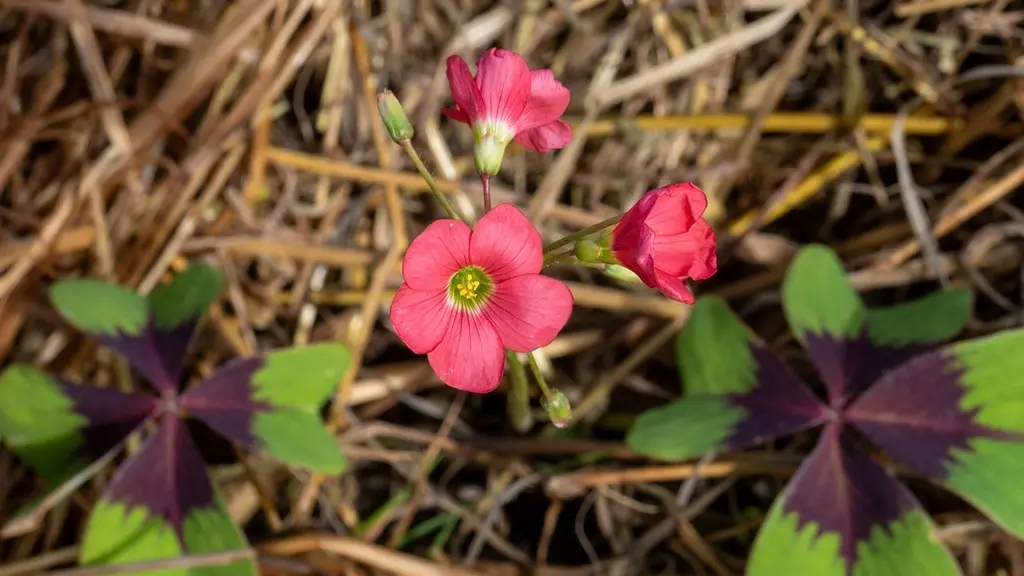
Oxalis – The 'Iron Cross' oxalis is a four-leaf clover with a purple tint.
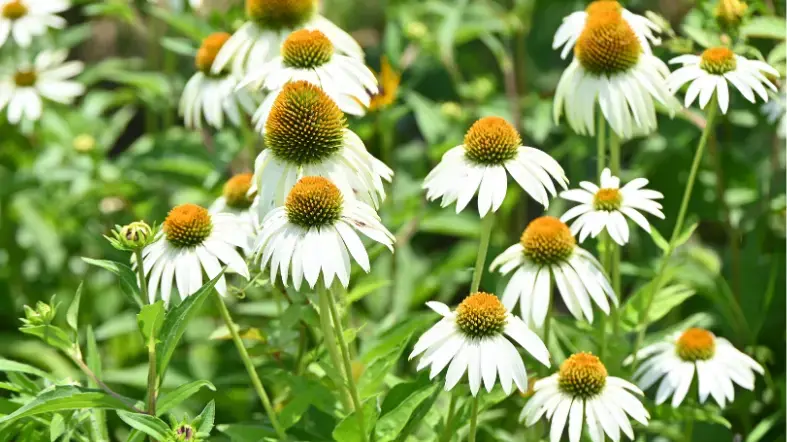
White echinacea – The 'White Swan' echinacea delights with its large white flowers and gently drooping petals.
For a blooming border
If you want a spectacular and colourful garden all summer long, opt for decorative varieties:
- Dahlia mix ‘Summer Quartet‘: These essential plants offer an incredible range of colours and forms (pompom, cactus, decorative…). To learn everything about growing these summer flowers, we invite you to read our article dedicated to dahlia cultivation.
- Gladioli: Elegant and upright, perfect for structuring borders.
- Kansas feather grass: Its exotic foliage and vivid flowers create an instant tropical effect.
Combining several varieties allows you to create a colourful border and enjoy flowers throughout the summer. Think about varying the heights and species of bulbs for a prolonged effect.
For cut flowers
Want to compose your own bouquets? Some bulbs are particularly well suited to cutting:
- Rainbow gladioli: Perfect for large, colourful bouquets.
- Dahlias: Their exceptional diversity allows for original arrangements in a vase.
- Lilies: Elegant and fragrant, ideal for refined bouquets.
For a truly spectacular effect, opt for varieties with vivid colours and graphic shapes.
For balconies and small spaces
Even with limited space, it is possible to enjoy magnificent blooms. Some summer bulbs grow well in pots. Dwarf dahlias and the 'Nektar-Trio' dahlia, for example, bring colour to pots or borders, and horseradish combines very well with them.
For optimal development in a pot, use a container with drainage holes at least 30 cm in diameter. The plant needs enough space to flourish. Use good potting compost and water regularly, adding organic fertiliser. Choose a rich, well-drained substrate — you can mix the compost with coarse sand, clay pebbles or perlite.
Edible bulb plants: combining the useful with the pleasant
Some bulbs, in addition to being decorative, are delicious at harvest time. Chives and Chinese spring onions require little maintenance and are perfect finely chopped on toast, in a salad or on a soup. Both also thrive very well on the balcony.
Once planted, rhubarb returns every spring and provides beautiful, juicy stems for compotes, cakes or even ice cream. Freshly grated horseradish goes well with meat and fish. Perennial and easy to maintain, it grows well in a planter, on a terrace or in open ground.
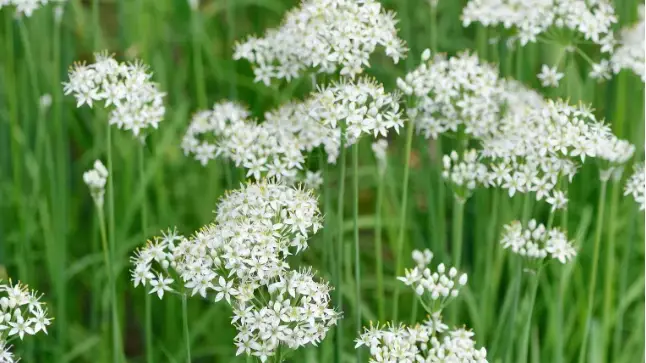
Chinese spring onion – A perennial appreciated for its delicately garlicky flavour.
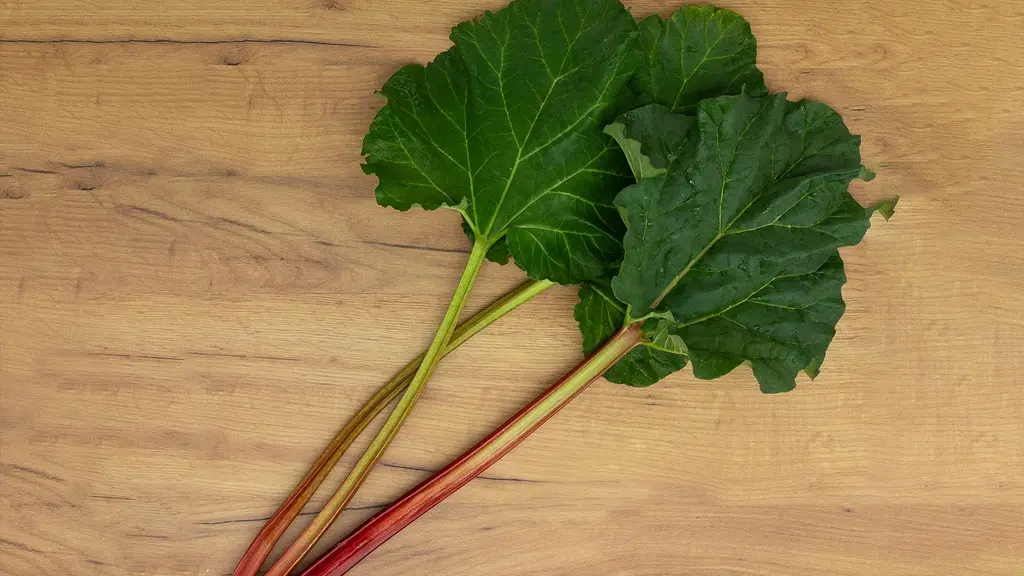
Rhubarb 'Glaskins Perpetual' with long red stems.
Tips for successful planting
When and how to plant summer bulbs?
Summer bulbs are generally planted between March and May, once the risk of frost has passed and the soil begins to warm up (at least 10 to 12°C). Good soil preparation is essential to ensure abundant blooms throughout the season.
To give yourself every chance of success:
- Plant your bulbs in light, well-drained soil.
- A light watering after planting is sufficient. Then keep the soil moist but never waterlogged, especially during the growth phase.
- Respect the appropriate planting depth (refer to the instructions on the packaging). A planting dibber is a useful tool: this graduated implement lets you measure the planting depth precisely.
- Stimulate plant growth with organic flower fertiliser pour fleurs.
Choosing the right location for your bulbs
The choice of location is decisive for the success of your summer bulbs.
Most varieties (such as dahlias, gladioli or Kansas feather grass) appreciate a sunny position, which is essential for generous blooms.
Place them preferably in a sheltered spot protected from the wind, with good air circulation to avoid excess moisture.
Care and maintenance of summer bulbs
Once planted, summer bulbs require little maintenance, but a few simple gestures help to prolong their flowering:
- Regularly remove spent flowers to encourage new blooms.
- Apply a little organic flower fertiliser during the season, especially if your soil is poor.
- Stake tall varieties (such as certain gladioli or dahlias).
Good to know: at the end of the season, some frost-sensitive varieties (such as dahlias) can be lifted and stored in a frost-free place for winter.
Creating a lasting, organic blooming garden
Summer bulbs are a simple and accessible solution for creating a vibrant, colourful garden that supports biodiversity. By choosing suitable varieties and favouring sustainable gardening practices, you will enjoy a space that is both beautiful and environmentally friendly.
Discover our summer bulbs, selected for their organic quality and their ability to bloom in Swiss climatic conditions.
Frequently asked questions about summer bulbs
Summer bulbs are usually planted between March and May, once the risk of frost has passed. The soil should be warm, well-drained and easy to work.
Some varieties are perennials, such as echinacea, and can grow back year after year if properly cared for. In colder regions, it is advisable to dig up certain bulbs (such as dahlias) before winter.
Yes, many summer bulbs, such as dwarf dahlias and certain varieties of gladioli, grow very well in pots. It is important to choose a well-drained pot and a sunny spot.
Kansas feathers, gladioli and chive bulbs are among the easiest summer bulbs to grow. They require little maintenance and produce abundant blooms throughout the summer.
Further reading
- pflanzanleitung (planting tips): how to plant bulb flowers
- Royal Horticultural Society (RHS) : How to grow bulbs (guide to planting summer bulbs)
Summer Bulbs: A Guide to a Blooming Garden All Summer Long