





At Zollinger Bio, our mission is to offer you the best seeds for your vegetable garden. That's why, every year, we test and compare several varieties of vegetables, flowers and aromatic herbs to uncover new gems to add to our range of organic seeds and make your garden even more unique.
Yield, taste, disease resistance, raw and cooked appearance: we pay close attention to detail to select the best organic varieties for your garden. Welcome behind the scenes of varietal trials at Zollinger Bio!
Monday afternoon, 3pm. Aurélie, Til, Guillaume and Vincent gather around crates full of zucchini. Focused, some examine the fruit closely while others taste small slices of oven-baked zucchini. It's evaluation time. Everything is assessed: raw appearance, cooked appearance, but above all taste and texture. A score is given for each criterion. Then comes the round-table discussion: everyone shares their ranking and argues in favor of their favorite varieties.

Til and Guillaume evaluate and compare different zucchini varieties.
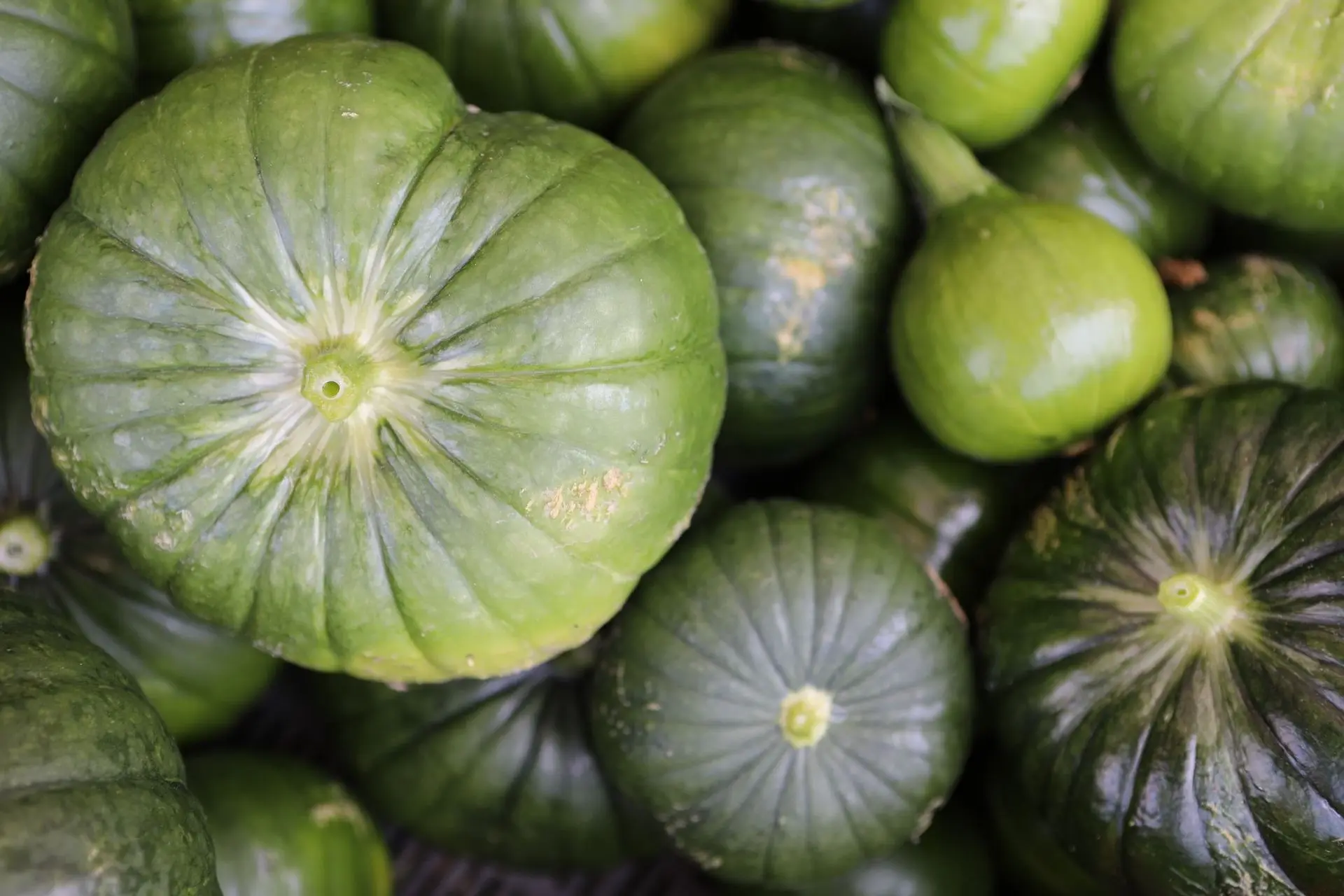
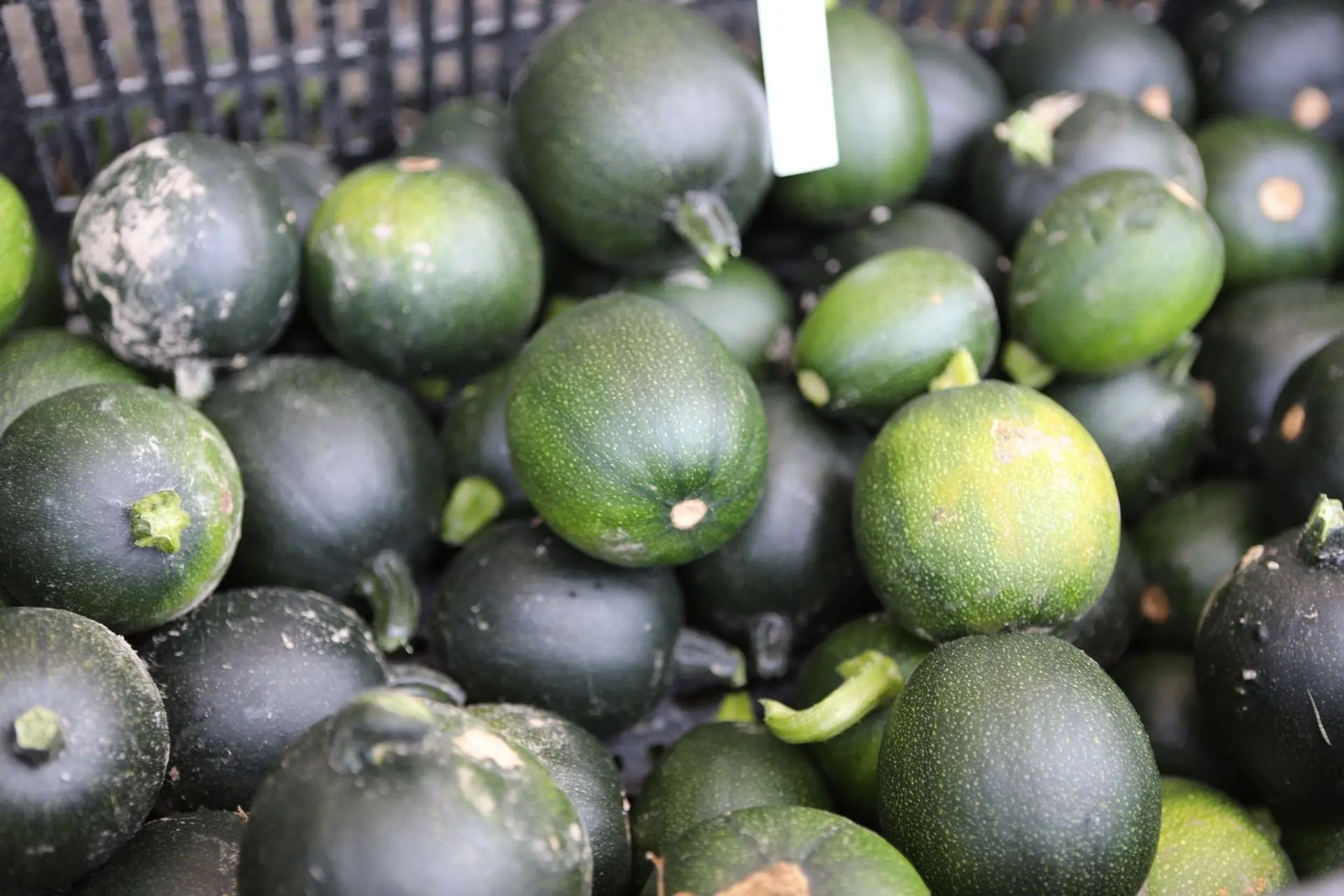
The goal of this tasting? To find a zucchini variety that could serve as an alternative to avocado. Its appearance should be reminiscent of the fruit, but that's not all — this zucchini also has to be able to replace it in the kitchen!
Tasting is an essential step in deciding whether to add a variety to the catalogue, but it's far from the only one. Let's go back in time to understand how we run trials at Zollinger Bio…
Where Do the Ideas for New Varieties Come From?
The reasons that lead us to test and compare varieties of flowers, vegetables or aromatic herbs are varied:
- Your feedback and requests: a question that comes up often, a specific wish that emerges from your messages or from our conversations at the Seedling Market…
- Garden trends: new practices (permaculture, balcony gardening…) create needs our range doesn't always cover yet.
- A gap identified in our offering: a color, flavor or use that's missing.
- A discovery while reading, visiting, or exchanging with partners or fellow gardening enthusiasts.
- The desire to offer a local, organic alternative to certain imported products (like a zucchini that can replace avocado!)
- The need to find resistant varieties in the face of certain diseases and climate disruption
"Each year, we have to prioritize which trials matter most. Sometimes we test species that aren't in our catalogue at all, like the pepino this year. Other times, we make finer comparisons between fairly well-known varieties, like cucumbers or beans. We're in contact with other seed producers, and it's always enriching and interesting to compare our work with theirs."
Where Do the Seeds We Test Come From?
The organic seeds we test come from a variety of sources. Some are sent to us directly by passionate gardeners in our community. Others come from the Swiss national genebank whose mission is to collect, preserve and document plant material to safeguard the genetic resources of major cultivated plants over the long term. We also sometimes test varieties produced by other seed companies: since plant genetic heritage is considered a common good, these exchanges are built on a logic of good practice between producers in the field.
What Exactly Do We Test?
Criteria Assessed After Harvest
Evaluation criteria depend partly on the product being tested. For fruits and vegetables, we assess raw appearance, taste and texture. In some cases, we also taste the cooked varieties, to stay as close as possible to how they'll likely be consumed at home.
When we evaluate aromatic herbs, appearance and flavor at tasting are decisive. For flowers, bloom longevity, fragrance and colors are essential.

Aurélie, Til and Guillaume taste different spinach varieties to test their flavor after cooking.
Criteria Tested in the Field
Taste is essential, but the growing experience in the garden matters just as much! We want to pass on the joy of gardening — that's why we make sure each variety delivers good yield, a certain disease resistance, good adaptation to the Swiss climate, and a good germination rate.
It's also a chance to better understand the plants' life cycle and their ideal growing conditions. For example, we eliminate varieties that bolt (go to seed) too quickly. We sometimes also test certain varieties simultaneously under greenhouse and in open ground to compare their development, so we can give gardeners relevant growing tips.

Vincent and Guillaume compare several green anise varieties in the crops.
If certain seeds seem particularly difficult to grow from sowing, our trials point us toward offering those varieties as seedlings instead.
Discover our organic seedlings
The Seed Producer's Perspective
As a seed producer, our mission doesn't stop at choosing a variety — we then have to be able to produce those seeds ourselves. But harvesting and propagation methods can differ enormously from one variety to another. That's why we also assess the feasibility of producing the seed in-house.
The blue pea is a good example. We validated it as a new addition a few years ago, but producing seed for this variety remains a real technical challenge.
"When I'm working on trials in our fields, I always put myself in the gardener's shoes. I look at whether the plant is easy to harvest, whether the yield is there, whether the foliage stays vigorous until the end of the season. These everyday details are what make a variety truly worth growing."

How Long Before a New Variety Reaches the Catalogue?
The Typical Timeline
It sometimes takes several years before we can add a variety to our range of organic seeds. Take the example of a carrot, the ‘Longue Rouge Sang’. From the moment it enters our trial program to the moment you can sow its seeds at home, it takes four to five years.
- Year 1: the variety is scheduled into our trials
- Year 2: trials and validation as a new addition
- Year 3: production begins
- Year 4: harvest at the end of summer, then threshing and seed sorting
- End of Year 4 – start of Year 5: goes on sale
Of course, this timeline assumes cultivation goes smoothly. Since nature sometimes has surprises in store, we may occasionally need to restart a full production cycle.
Selecting the Best Varieties for Your Garden Is Our Mission
Behind every variety that joins our catalogue, there are sometimes years of observation, tastings, field trials that don't always give the hoped-for results, and a good dose of patience.
This is the behind-the-scenes work we wanted to share with you. Behind every Zollinger Bio variety lies all our team's know-how and years of trials to select what will grow best in your garden.
Explore our organic seed range
What Do You Dream of Growing?
A particular craving, a variety you can't find anywhere, a garden memory you miss? We're always delighted to hear your suggestions and ideas — they're a real source of inspiration for our trials.
👉 Share your idea via our contact form— who knows, it might join our catalogue in a few years!
How Do We Select New Organic Seed Varieties?